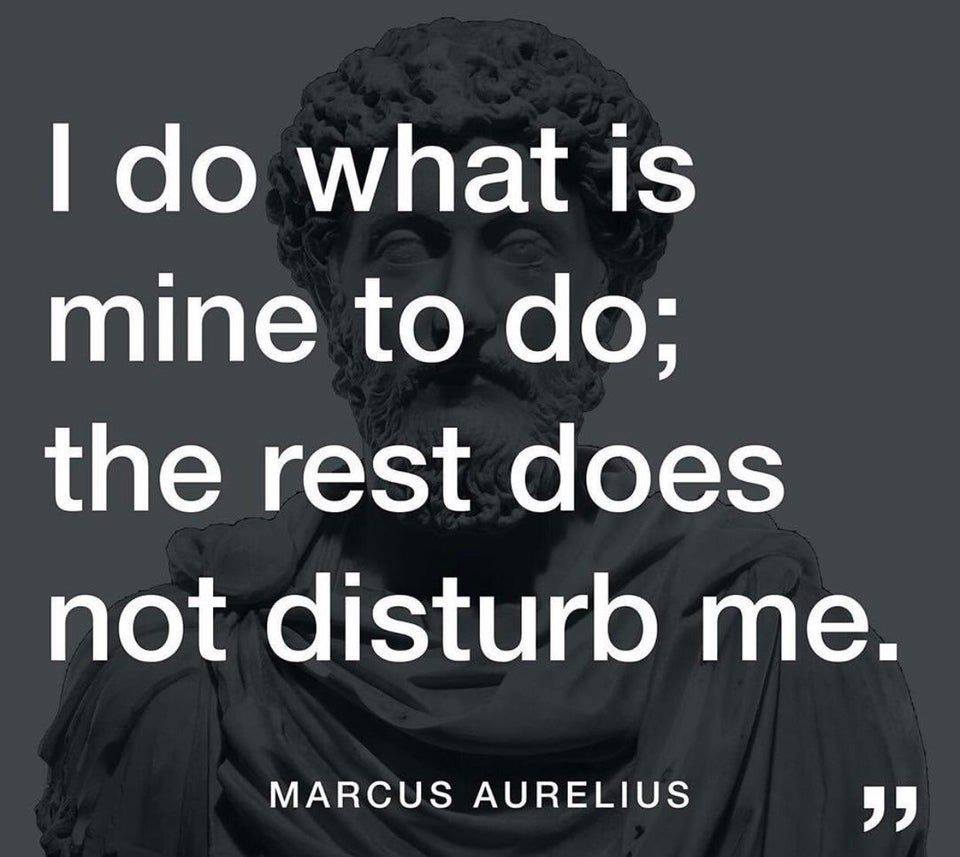
Stoicism quotes have endured for centuries because they condense a demanding philosophical discipline into precise, memorable formulations. They are not decorative sayings or expressions of mood, but instruments of moral training. In the Stoic tradition, short statements were meant to be recalled in moments of difficulty, temptation, or emotional disturbance. A well chosen sentence could function as a corrective to false judgment, restoring clarity and self command when it was most needed.
Unlike aphorisms designed to inspire optimism or comfort, Stoic quotes often confront the reader with uncomfortable truths. They emphasize limits, impermanence, responsibility, and the distinction between what depends on us and what does not. Their purpose is not to flatter human desire but to discipline it. For this reason, Stoic quotations can feel austere or uncompromising, yet their precision is exactly what gives them lasting force.
Stoicism quotes are best understood as fragments of a larger ethical framework. Removed entirely from context, they risk being misunderstood as advice for emotional suppression or passive resignation. Read properly, they express an active philosophy centered on rational judgment, moral integrity, and inner freedom. Each quote points beyond itself, inviting the reader to examine habits of thought and to practice philosophy not merely as reflection, but as a way of living.
Most Famous Stoic Quotes
Below is a curated list of widely cited Stoicism quotations, each followed by a brief explanation of its philosophical meaning and practical intent. The quotations come from the central figures of the Stoic tradition and reflect its core ethical principles.
“You have power over your mind, not outside events. Realize this, and you will find strength.”
Said by Marcus Aurelius
Explanation: This statement expresses the Stoic distinction between what is within our control and what is not. External events follow their own course, but judgment, attitude, and response remain our responsibility. Strength comes from directing effort toward the inner domain rather than resisting reality.
“It is not things themselves that disturb us, but our judgments about them.”
Said by Epictetus
Explanation: This is one of the most foundational Stoic insights. Suffering arises not from events, but from the interpretations we attach to them. By correcting false judgments, emotional disturbance can be reduced or eliminated.
“Waste no more time arguing about what a good man should be. Be one.”
Said by Marcus Aurelius
Explanation: Stoicism emphasizes action over speculation. Moral understanding is incomplete unless it shapes conduct. This quote urges the reader to shift from theoretical discussion to disciplined ethical practice.
“We suffer more in imagination than in reality.”
Said by Seneca
Explanation: Much anxiety is produced by anticipation, fear, and mental projection rather than by actual conditions. Stoicism teaches vigilance toward the imagination, since exaggerated expectations often generate unnecessary distress.
“If you want to improve, be content to be thought foolish and stupid.”
Said by Epictetus
Explanation: Moral progress often conflicts with social approval. Stoicism requires independence from public opinion and readiness to endure misunderstanding in order to live according to reason rather than fashion.
“The happiness of your life depends upon the quality of your thoughts.”
Said by Marcus Aurelius
Explanation: Inner life determines well being more than external circumstance. Stoicism treats thought as an ethical activity, since habitual patterns of judgment shape emotional experience and character.
“He who fears death will never do anything worth of a man who is alive.”
Said by Seneca
Explanation: Fear of death undermines moral courage. Stoicism holds that acceptance of mortality frees the individual to act with integrity rather than self preservation as the highest aim.
“Do not seek for things to happen the way you want them to. Rather, wish that what happens happen the way it happens.”
Said by Epictetus
Explanation: This quote expresses Stoic acceptance of fate. Freedom is achieved not by controlling events, but by aligning one’s will with necessity while maintaining ethical intention.
“Begin at once to live, and count each separate day as a separate life.”
Said by Seneca
Explanation: Stoicism encourages attention to the present moment without illusion of unlimited time. Each day is treated as morally complete in itself, calling for deliberate use rather than postponement.
“Loss is nothing else but change, and change is nature’s delight.”
Said by Marcus Aurelius
Explanation: Stoic physics teaches that all things are in constant transformation. What appears as loss is part of a larger natural process. Recognizing this reduces attachment and resentment.
“Man conquers the world by conquering himself.”
Said by Zeno of Citium
Explanation: This expresses the original Stoic conviction that mastery of the self precedes any external achievement. True power lies in governing judgment, impulse, and desire, not in dominating others or circumstances.
“Happiness is a good flow of life.”
Said by Zeno of Citium
Explanation: Early Stoics defined happiness not as pleasure, but as a life lived in harmony with reason and nature. A good life flows smoothly because it is not constantly disrupted by inner conflict.
“Follow where reason leads.”
Said by Zeno of Citium
Explanation: This brief maxim captures the Stoic ideal of rational alignment. Reason is not a tool for calculation alone, but the guiding principle of ethical life.
“Fate leads the willing and drags the unwilling.”
Said by Cleanthes
Explanation: This quote expresses Stoic determinism combined with moral freedom. Events unfold according to necessity, but one can cooperate with that necessity or resist it and suffer.
“The wise man is neither raised up by prosperity nor cast down by adversity.”
Said by Chrysippus
Explanation: Emotional stability is a mark of wisdom in Stoicism. External changes do not alter the moral worth or inner condition of a rational person.
“First learn the meaning of what you say, and then speak.”
Said by Epictetus
Explanation: Stoicism emphasizes clarity of thought before expression. Many errors arise from using words without understanding the judgments behind them.
“No man is free who is not master of himself.”
Said by Epictetus
Explanation: Freedom in Stoicism is internal. A person ruled by fear, desire, or anger remains unfree regardless of social status or legal rights.
“Difficulties strengthen the mind, as labor does the body.”
Said by Seneca
Explanation: Hardship is not viewed as an obstacle to a good life, but as training. Stoicism treats adversity as an opportunity for moral development rather than as injustice.
“What need is there to weep over parts of life? The whole of it calls for tears.”
Said by Seneca
Explanation: This stark observation reflects Stoic realism about human existence. Rather than selective lamentation, Stoicism calls for acceptance of life’s tragic structure combined with rational endurance.
“Accept whatever comes to you woven in the pattern of your destiny, for what could more aptly fit your needs?”
Said by Marcus Aurelius
Explanation: This quote expresses the Stoic idea that events form part of a rational whole. Acceptance does not mean passivity, but trust that one’s role is meaningful within the larger order of nature.
These quotes are not meant to function as motivational slogans. In the Stoic tradition, they serve as reminders to be internalized through repetition and practice. Their value lies not in inspiration alone, but in their capacity to reshape judgment and cultivate inner stability over time.